Behind the Glitz: Tech Titans Powering Packed Casino Platforms
Behind the Glitz: Tech Titans Powering Packed Casino Platforms
The Backbone of Randomness: RNGs and Fair Play Foundations
Random Number Generators stand as the unyielding core of every slot machine and digital table game on modern casino platforms, churning out billions of outcomes per second to ensure no predictable patterns emerge; these algorithms, certified by independent labs, mimic physical dice rolls or card shuffles with mathematical precision, while platforms integrate them seamlessly into backends built by giants like Pragmatic Play or Playtech. Data from testing bodies reveals that certified RNGs undergo rigorous audits every few months, preventing tampering that could skew house edges, which typically hover around 2-5% for slots and under 1% for blackjack variants. Observers note how this tech evolved from basic pseudo-random functions in the 1990s to quantum-resistant cryptography today, shielding games from hacks amid rising cyber threats.
adn yet, what's interesting is the way platforms layer provably fair systems on top for crypto casinos, where blockchain ledgers let players verify each spin's integrity post-game; take one aggregator like SoftSwiss, which bundles RNGs from multiple providers into unified APIs, allowing operators to deploy thousands of titles without rebuilding from scratch. Figures indicate such integrations cut launch times by 70%, fueling the explosion of feature-rich sites packed with Megaways mechanics or cascading reels.
Game Aggregators: The Glue Holding Vast Libraries Together
Game aggregators emerge as the unsung heroes stitching together libraries exceeding 10,000 titles from studios worldwide, from NetEnt's cinematic slots to Evolution's live blackjack arenas; these platforms, powered by APIs from companies like EveryMatrix or Relax Gaming, handle licensing, compliance, and real-time content updates, ensuring seamless scalability as traffic spikes during tournaments or jackpot hunts. Research from industry analysts shows aggregators boosted average game counts by 300% over the past five years, with mobile-optimized titles now comprising 60% of portfolios.
Here's where it gets interesting: operators leverage these engines to personalize feeds based on player history, pushing high-volatility drops like Sweet Bonanza or low-stakes classics; one case saw a mid-tier platform triple retention rates after integrating aggregator dashboards that track RTP across lobbies in real time. That said, the real magic happens in hybrid setups, blending RNG slots with skill-based crash games or minesweeper variants, all synced via single sign-on for frictionless navigation.
Payment Pipelines: Lightning-Fast Flows Fueling the Action
Payment engines turbocharge casino ecosystems by processing deposits and withdrawals in under 60 seconds for e-wallets like Skrill or crypto via gateways such as CoinsPaid; these systems, often white-labeled from Aspire Global or Paymentology, juggle fiat currencies alongside 20+ altcoins, while KYC modules flag risks before funds move. Statistics from eCOGRA highlight how multi-gateway setups reduced chargeback rates to below 0.5%, a stark improvement from legacy processors prone to delays.
But the ball's in their court when it comes to emerging tech like instant bank transfers via Open Banking in Europe, which platforms now embed to capture impulse players; experts observe that such features correlate with 25% higher deposit volumes, especially during live sports events where bets flow non-stop. Platforms fine-tune these engines with AI-driven limits, adapting to user patterns without stifling high-rollers chasing progressive pots north of €1 million.
Live Dealer Streams: Bridging Digital and Real-Time Thrills
Evolution Gaming and Pragmatic Live dominate the live dealer realm, streaming HD feeds from Latvian or Philippine studios to power infinite blackjack or Crazy Time wheels, where optical character recognition extracts card values instantly for betting resolutions; these engines sync with frontends via WebSockets, delivering sub-100ms latency even on 4G connections. Data indicates live tables now account for 40% of gross gaming revenue on top platforms, up from 15% pre-pandemic, as multi-camera angles and chat features draw in social players.
Turns out, the tech stack includes edge computing to buffer streams against fluctuations, ensuring roulette spins land smoothly worldwide; one studio reported handling 50,000 concurrent users during peak hours without a hitch, thanks to cloud orchestration from AWS or Azure. And for those who've studied the shift, it's clear how gamification layers—like leaderboards tied to live sessions—keep engagement soaring, blending human dealers with automated side bets.
Security Fortresses: Encryption and AI Shields in Action
Core security engines deploy SSL 3.0+ encryption alongside biometric logins, while AI monitors flag anomalous bets like serial low-risk plays signaling bonus abuse; platforms from NSoft or BetConstruct bake in these layers, complying with standards from bodies like the Nevada Gaming Control Board, even for offshore ops. Figures reveal DDoS attacks on iGaming sites rose 50% last year, yet robust engines thwarted 99.9% via traffic scrubbing and anomaly detection.
So, platforms now integrate zero-knowledge proofs for wallet verifications, letting users prove age without exposing data; observers point to cases where such tech nipped fraud rings in the bud, preserving trust in jackpots that balloon daily. What's significant is the fusion with responsible gaming tools, like self-exclusion synced across networks via APIs from Gamban.
Mobile Mastery and AI Personalization: Tailoring the Thrill
Mobile engines, optimized via HTML5 and React Native, render slots at 60fps on any device, with push notifications teasing free spins or cashback; aggregators like Slotegrator push progressive Web apps that cache assets offline, slashing load times to 2 seconds. Studies from app analytics firms show mobile sessions averaging 45 minutes, double desktop, as touch-optimized UIs enable one-tap bets during commutes.
Now, AI engines from Optimove or Nudge crank personalization, segmenting players into cohorts for bespoke bonuses—high-rollers get 10% rebates, casuals snag 200% first deposits; data from deployments indicates 35% uplift in lifetime value. Yet, as April 2026 approaches with events like the SBC Summit Americas previewing VR integrations, platforms test AR overlays for immersive roulette, where phone cameras project tables onto real surfaces.
People who've tracked this know the rubber meets the road in loyalty engines, doling tiered rewards via smart contracts on Ethereum layers; one platform's system auto-upgraded 20% of users to VIP after pattern analysis, unlocking private tables and dedicated hosts.
Scalability and Future-Proofing: Handling the Surge
Cloud-native architectures from Google Cloud or Oracle scale servers elastically, absorbing 10x traffic during World Cup finals without downtime; microservices decouple slots from payments, letting updates roll out per module. Research indicates Kubernetes orchestration cut costs by 40% for operators juggling peak loads, while serverless functions handle bonus calculations on-demand.
But here's the thing: blockchain sidechains like Polygon enable gasless transactions for micro-bets, opening doors to social casino crossovers; experts forecast VR lobbies by 2027, powered by Unity engines blending avatars with live feeds. It's noteworthy that platforms stress-testing for 2026 regulatory waves—like enhanced AML in Australia—build modular cores, swapping compliance plugins as rules evolve.
Wrapping the Reels: Engines in Harmony
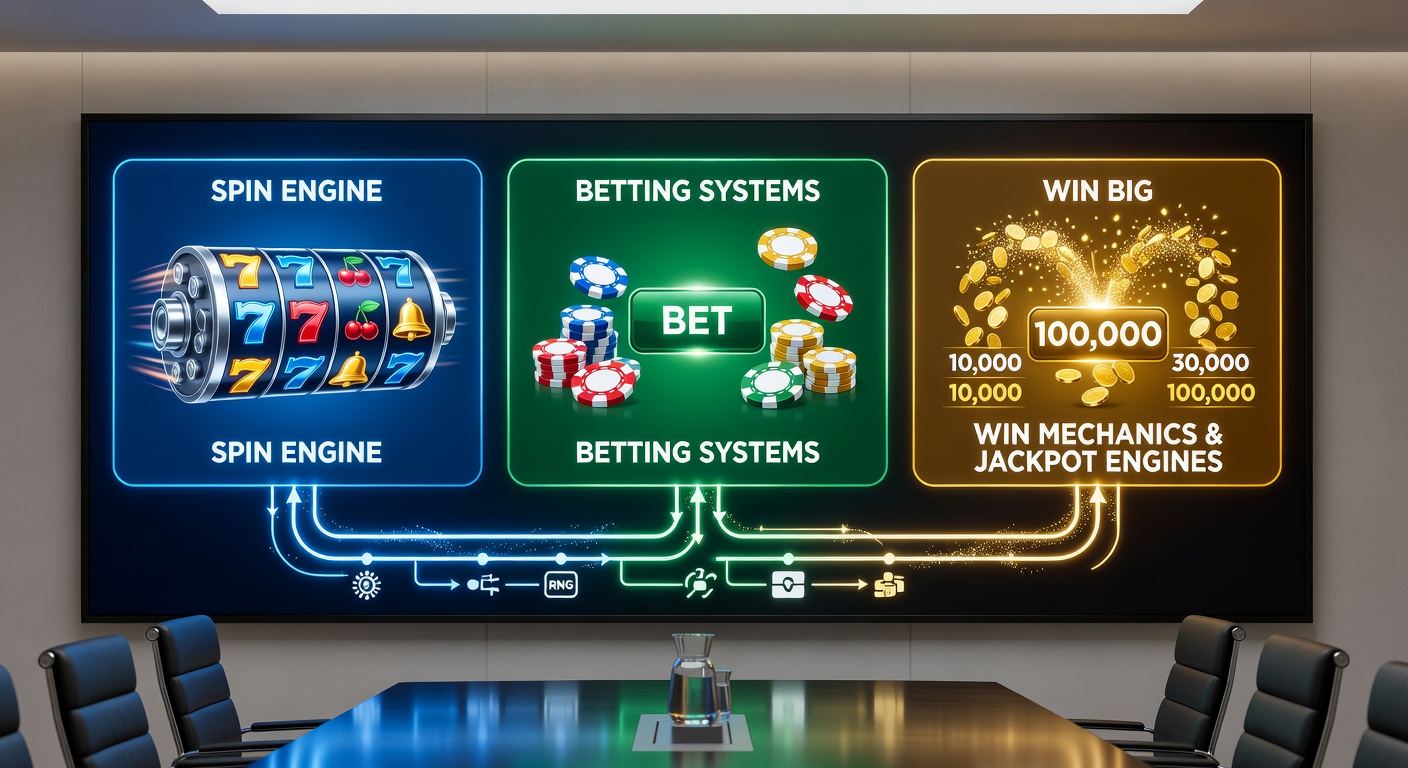
These core engines—RNGs, aggregators, payments, live streams, security, mobile, AI, and scalability—interlock to propel feature-rich platforms into multi-billion revenue machines, where a single spin cascades into bets, bonuses, and wins; data across sectors confirms integrated stacks deliver 2.5x higher player satisfaction scores. As innovations like Web3 wallets and metaverse tables gear up for broader rollout, especially with April 2026 trade shows spotlighting demos, the ecosystem stands poised for even denser features. Observers see the writing on the wall: unified platforms will dominate, blending every thrill into one unstoppable flow.