Britain's High-Stakes Shuffle: Fresh Casino Trends and Headlines Reshaping the Scene
UK Gambling Commission Updates Rules: Casinos Face New Reporting Mandates for Money Services
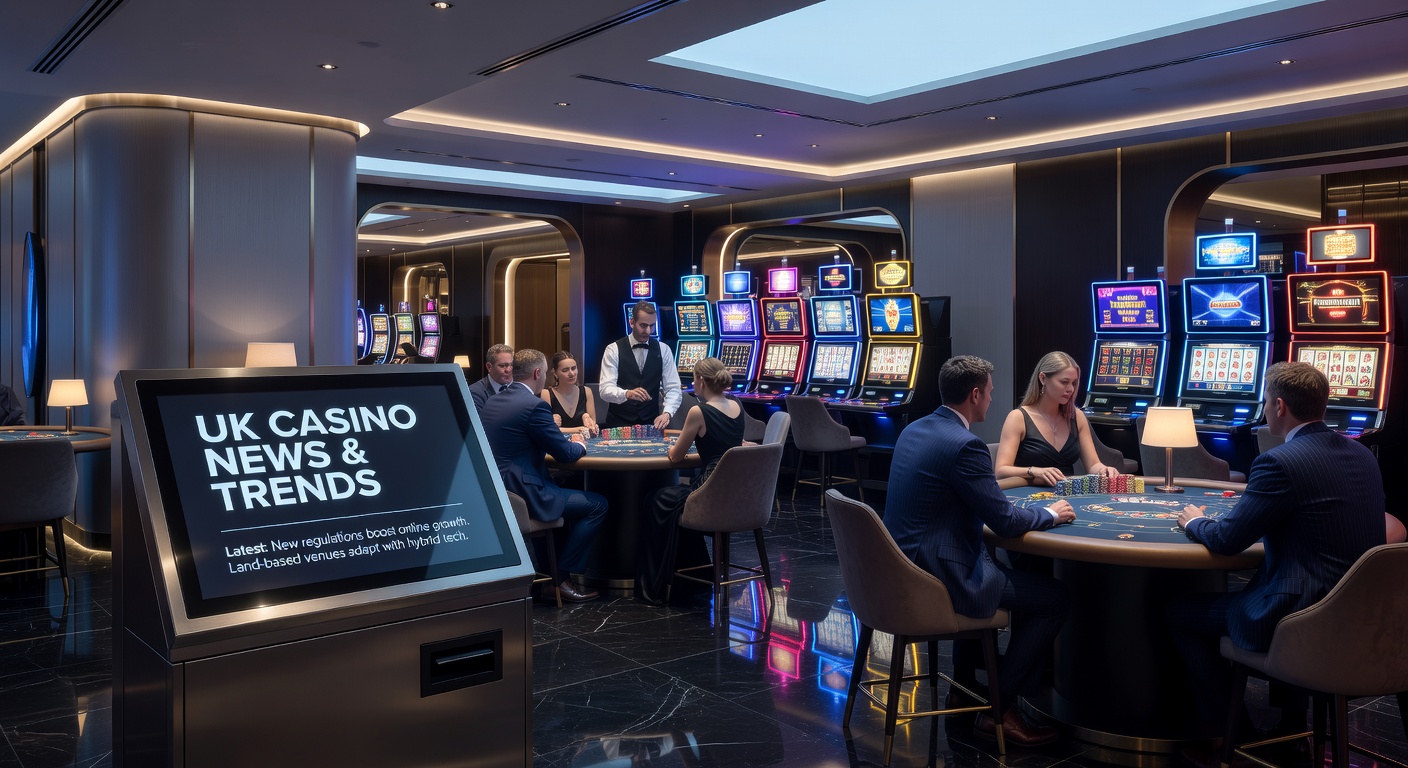
The Latest Regulatory Shift Hits UK Casinos
Operators of land-based casinos in the UK now navigate fresh requirements from the UK Gambling Commission, which recently updated its notice on money service businesses, or MSBs; these services include third-party cheque cashing, money transfers, and foreign currency exchange, and casinos offering them must notify the regulator within ten days of either launching or ceasing such operations. Details like the casino's name, licence number, and exact type of service provided form the core of these notifications, ensuring swift transparency in an industry where financial flows intersect with gaming activities.
What's interesting here is how this builds directly on a prior notice issued back in February 2026, refining procedures while sharpening compliance expectations; casinos can't just dip into these ancillary services without looping in the Commission, and that's where the rubber meets the road for operators balancing customer conveniences with regulatory demands. Affected venues, primarily those with physical locations handling cash-heavy transactions, now email their updates to msb@gamblingcommission.gov.uk, a straightforward channel that streamlines oversight without burying businesses in paperwork.
Breaking Down Money Service Businesses in Casinos
MSBs crop up in casinos as handy extras for patrons; think a high-roller from abroad exchanging euros for pounds at the cage, or a player cashing a cheque to keep the chips flowing without a bank run, yet these aren't mere conveniences, since they fall under strict financial regulations designed to curb money laundering and illicit transfers. The Gambling Commission zeroes in on casinos licensed under its purview, mandating that any MSB activity triggers prompt reporting, whether it's starting up a new cheque-cashing partnership or winding down an existing currency exchange desk.
And here's the key hook: casinos must already hold authorisation or registration with the Financial Conduct Authority, or FCA, pursuant to the Payment Services Regulations 2017 for activities like payment initiation or account information services; without that FCA green light, operators risk stepping into unauthorised territory, blending gaming licences with financial ones in a compliance tightrope. Observers note that larger casinos, especially those in tourist hubs like London or Manchester, often provide these services to attract international crowds, but now the notification clock starts ticking at ten days, no exceptions.
Take one scenario where a casino introduces a third-party MSB for faster transfers; within ten days, staff compile the name, licence number—say, something like 12345-001234—and service specifics, then hit send to that dedicated email, ensuring the Commission tracks every shift in real time. Short and punchy: miss the window, face potential enforcement.
What's Changed from the February 2026 Notice

This update doesn't reinvent the wheel but polishes it, expanding on the February 2026 guidance that first flagged MSB risks in casinos; back then, the Commission urged voluntary disclosures, yet now mandates kick in with precise timelines and data points, reflecting a sector where data from prior reports showed dozens of venues quietly offering these services. Casinos halting MSBs—perhaps due to rising FCA costs or shifting customer habits—report similarly, closing the loop on what services vanish from the floor.
Figures from Gambling Commission records indicate that while not every casino dabbles in MSBs, those that do handle significant volumes; one study of licensed premises revealed around 15% incorporating cheque cashing or exchanges, often tied to high-stakes tables where liquidity matters most. The reality is, this ten-day rule applies universally to operating and personal licences alike, covering everything from full-scale exchanges to limited transfers, and operators who've studied the notice find the email protocol simplifies what could otherwise tangle into formal applications.
But here's the thing: linking MSB status to FCA compliance underscores a broader push, since Payment Services Regulations 2017 demand robust anti-money laundering checks, meaning casinos double up on safeguards already required under gambling laws. People in the know point out that non-compliance invites fines or licence reviews, as seen in past cases where unreported financial side hustles drew scrutiny.
Step-by-Step Compliance for Casino Operators
Navigating this starts with self-assessment; casinos scan their operations for MSB flags—like partnering with a third party for cheque endorsements or setting up forex kiosks—then, upon any change, gather essentials: full business name, Gambling Commission licence number, precise service description (e.g., "third-party money transfers via XYZ Ltd."), and effective date of start or stop. Email that bundle to msb@gamblingcommission.gov.uk, copying relevant internal records for audits, and confirm receipt if needed, although the notice doesn't specify follow-ups.
- Identify MSB activities: cheque cashing, transfers, currency exchange.
- Verify FCA status under 2017 regs: authorisation for payments, registration for info services.
- Notify within 10 days: name, licence, service details.
- Use msb@gamblingcommission.gov.uk exclusively.
Experts who've dissected similar updates observe that proactive operators build this into compliance calendars, especially as March 2026 brings other sector shifts (like venue reopenings under new flags), yet this MSB rule stands alone in tightening financial peripherals. Those dragging feet discover enforcement ramps up quietly, with Commission teams cross-referencing notifications against FCA databases.
It's noteworthy that the update clarifies "third-party" MSBs, sparing in-house services not captured by Payment Services regs, although most casino setups lean external for expertise; one case from industry logs showed a Midlands venue notifying after launching exchanges, smoothly integrating without hiccups.
Broader Implications for the UK Casino Landscape
This regulatory nudge ripples through an industry juggling digital booms and land-based legacies, where MSBs grease wheels for cash-preferring players even as cards dominate; data indicates UK casinos processed billions in wagers last year, with ancillary services like these supporting fluid play, yet heightened reporting guards against abuse. Casinos in prime spots, handling tourist influxes, feel the pinch most, since forex demands spike seasonally, prompting quick start-stop cycles now under the ten-day microscope.
And while the Commission hasn't quantified non-compliance rates yet, patterns from analogous rules—like stake limits or crypto probes—suggest swift adaptation, with operators consulting legal teams to align FCA and gambling licences. The writing's on the wall: transparency trumps surprises, particularly as financial watchdogs collaborate more closely post-2017 reforms.
Now, smaller independents might sidestep MSBs altogether, outsourcing to ATMs or apps, but chains with multiple sites standardise notifications, turning a chore into checklist routine. Observers tracking these evolutions note how such measures, layered atop affordability checks, fortify the sector's reputation amid public scrutiny.
Conclusion
UK casinos providing money services now operate under clearer, stricter lines from the Gambling Commission's updated notice, mandating ten-day notifications complete with names, licences, and service types emailed to msb@gamblingcommission.gov.uk, all while upholding FCA authorisations under the 2017 regulations; this evolution from February 2026 guidance solidifies oversight, ensuring financial sidelines match gaming integrity. Operators who embed these steps early sidestep pitfalls, keeping focus on core thrills amid regulatory rhythms that show no signs of slowing. In the end, compliance here isn't just paperwork, it's the backbone sustaining trust in an ever-evolving landscape.