Coordination Patterns Between Assistance Services and Funding Channels That Shape Privilege Levels in Portable Entertainment Options
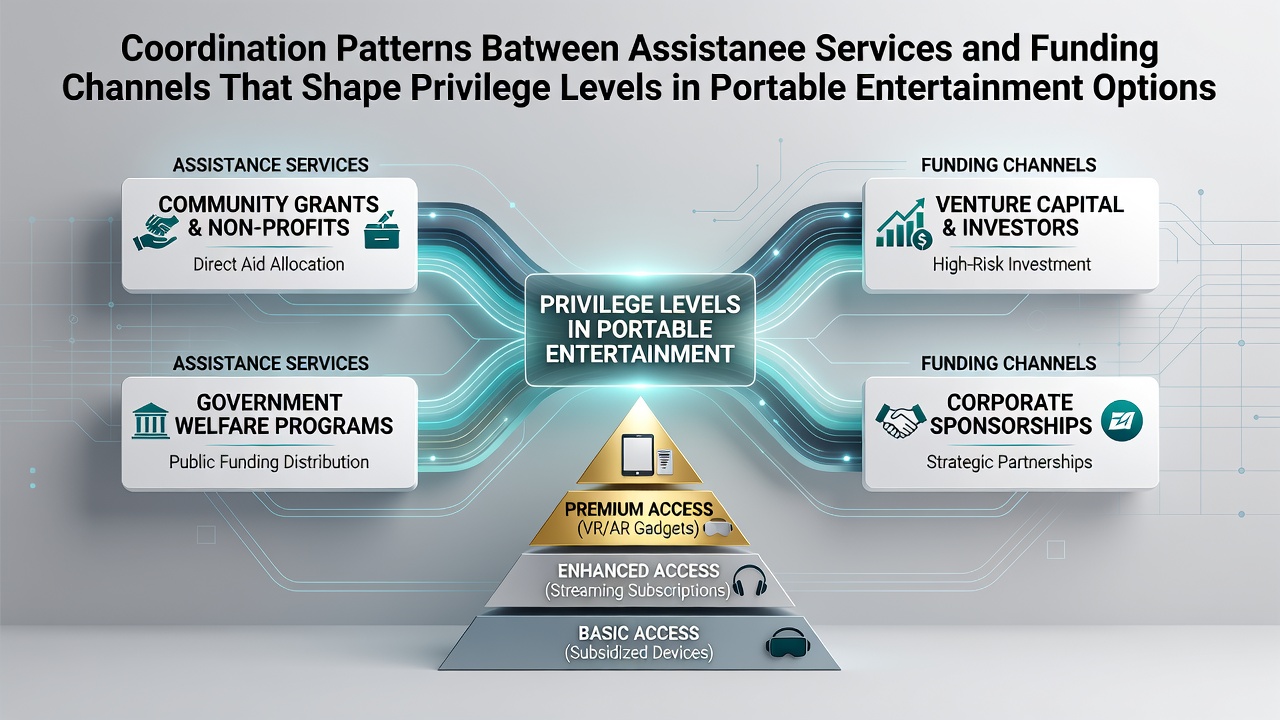
Portable entertainment options rely on intricate coordination between assistance services and funding channels to determine user privilege levels across mobile platforms; these systems track transaction histories alongside support interactions to assign tiered benefits such as expedited withdrawals and personalized account management. Data from industry reports shows that seamless integration between payment processors and customer assistance teams allows platforms to adjust access rights based on deposit frequency, resolution speed for queries, and overall engagement metrics.
Core Mechanisms Driving Privilege Assignment
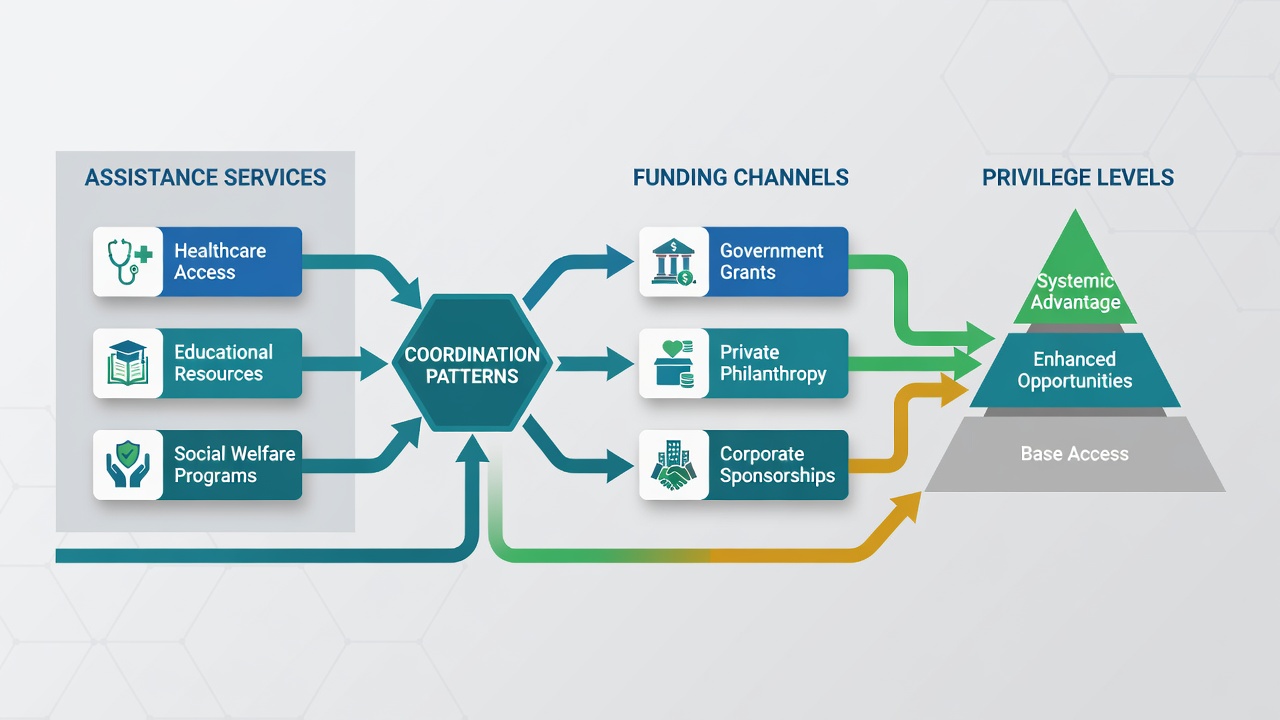
Funding channels transmit real-time data on deposits, withdrawals, and bonus redemptions to centralized databases while assistance services log every ticket resolution, chat duration, and escalation outcome; together these streams feed algorithms that calculate privilege scores. Observers note that platforms employing unified dashboards achieve faster tier upgrades because payment confirmations and support confirmations update the same user profile within minutes rather than hours or days. Research indicates that when payment gateways flag high-volume activity, assistance teams receive automated alerts prompting proactive outreach which in turn accelerates privilege elevation for qualifying accounts.
Integration Timelines and June 2026 Developments
System upgrades scheduled for rollout in June 2026 target improved API handshakes between banking partners and support software, reducing latency in privilege recalculation from several hours to under thirty minutes. Those who've examined pilot programs report that synchronized timestamps across funding records and assistance logs eliminate discrepancies that previously delayed VIP status confirmations. Platforms testing these enhancements demonstrate measurable increases in user retention once assistance responses directly influence funding limits and reward multipliers.
Regional Regulatory Influences on System Design
Authorities in multiple jurisdictions require transparent audit trails linking financial transactions to customer service outcomes, compelling developers to embed compliance modules within both payment and assistance infrastructures. American Gaming Association documentation outlines how operators must maintain records showing that privilege adjustments stem from verifiable activity rather than arbitrary decisions. Similar frameworks in Canada and Australia emphasize cross-channel data integrity, prompting vendors to adopt standardized protocols that allow regulators to trace how a single deposit or support interaction alters account status.
Case Examples from Platform Implementations
One major operator integrated its live-chat system directly with its payment processor so that resolved disputes over failed deposits automatically trigger compensatory bonus credits and simultaneous privilege reviews. Another deployment in the European market uses machine-learning models trained on historical assistance and funding datasets to predict which users will reach the next tier within thirty days, allowing preemptive support interventions. Figures reveal that such predictive coordination correlates with higher average session lengths among elevated-tier accounts.
Technical Architecture Supporting Continuous Alignment
Modern architectures employ event-driven pipelines where every payment confirmation or support ticket closure publishes an update to a shared event bus; downstream services then recalculate privilege metrics without manual intervention. Engineers at several firms have documented that adopting microservices for payments and assistance separately yet linking them through message queues prevents single points of failure while preserving data consistency. When funding channels experience brief outages, assistance teams receive immediate visibility into pending transactions, enabling them to inform users and maintain trust during the disruption.
Future Trajectories for Data Synchronization
Academic studies published through university research centers continue to examine how tighter coupling between assistance and funding systems affects user behavior across portable devices. Preliminary findings suggest that platforms achieving sub-second data propagation between the two domains record fewer complaints regarding delayed tier benefits. Continued investment in secure data-sharing standards appears likely as portable entertainment expands into additional device categories and geographic markets.
Conclusion
Coordination patterns between assistance services and funding channels establish the operational backbone for privilege management in portable entertainment options; synchronized data flows enable platforms to deliver consistent, rule-based tier progression while meeting regulatory expectations for transparency. As technical integrations advance through 2026 and beyond, these systems will continue shaping user access levels based on combined financial and service metrics rather than isolated indicators.