Funding Options Fuel Tiered Membership Expansion in Cross-Platform Table and Wagering Applications
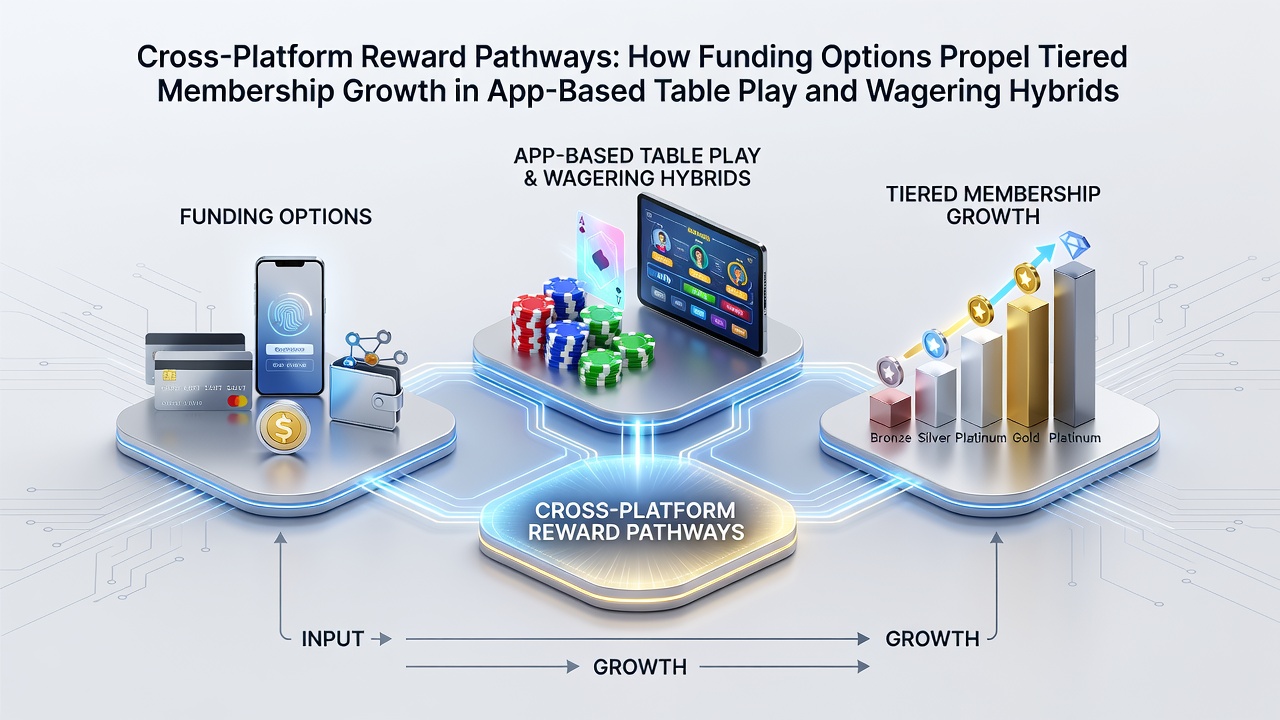
App-based platforms that combine table play with wagering elements continue to refine reward structures around funding mechanisms, and data from multiple markets shows steady growth in tiered membership programs tied directly to deposit activity. Observers note that seamless payment integrations across mobile devices allow users to move between live dealer tables, sports books, and slot hybrids while accumulating points that unlock higher membership levels, and these pathways often depend on consistent funding patterns rather than isolated play sessions.
Payment Integration and Membership Tier Mechanics
Operators structure tier progression so that initial deposits trigger entry-level benefits such as bonus credits or faster cashout options, while sustained funding volumes push users toward mid-tier and elite status. Research indicates that platforms using unified wallets across table games and wagering modules report higher retention rates because users maintain single balances that feed into unified loyalty ledgers, and this setup reduces friction when switching between game types. In July 2026 several operators expanded these systems to include instant verification for cryptocurrency deposits, which accelerated tier advancement for users who fund accounts multiple times per week.
Cross-Platform Reward Synchronization
Users who fund accounts through multiple channels, including bank transfers, e-wallets, and card payments, often receive synchronized rewards that apply across table play and hybrid wagering environments. Data shows that platforms synchronizing these rewards see average session lengths increase because points earned on one game type carry over to another without manual claims, and this continuity encourages users to explore additional features within the same app. Those who study these systems report that tiered perks such as personalized table limits or enhanced wagering odds become available once cumulative deposits reach defined thresholds, creating measurable pathways from casual participation to committed membership.
Industry reports from the American Gaming Association highlight how integrated funding tools reduce drop-off rates between deposit and active play, while similar findings from the Australian Gambling Research Centre point to comparable patterns in markets where hybrid apps dominate user engagement. These mechanisms operate by linking deposit frequency and amount to automated tier upgrades, and the result appears in user dashboards that display progress bars tied to real-time funding activity rather than separate game metrics.
Regional Regulatory Context and Market Data
European regulators outside the United Kingdom have examined how funding-linked rewards influence membership growth, and figures from the Malta Gaming Authority indicate that platforms offering tiered benefits tied to deposits experienced measurable increases in active accounts during the first half of 2026. Observers note that these programs often incorporate responsible gaming tools that cap deposit amounts per tier, which in turn shapes the pace at which users advance through membership levels. In North American jurisdictions, data from the Nevada Gaming Control Board shows parallel developments where app-based hybrids use funding verification to grant instant access to higher-tier table limits and wagering features.
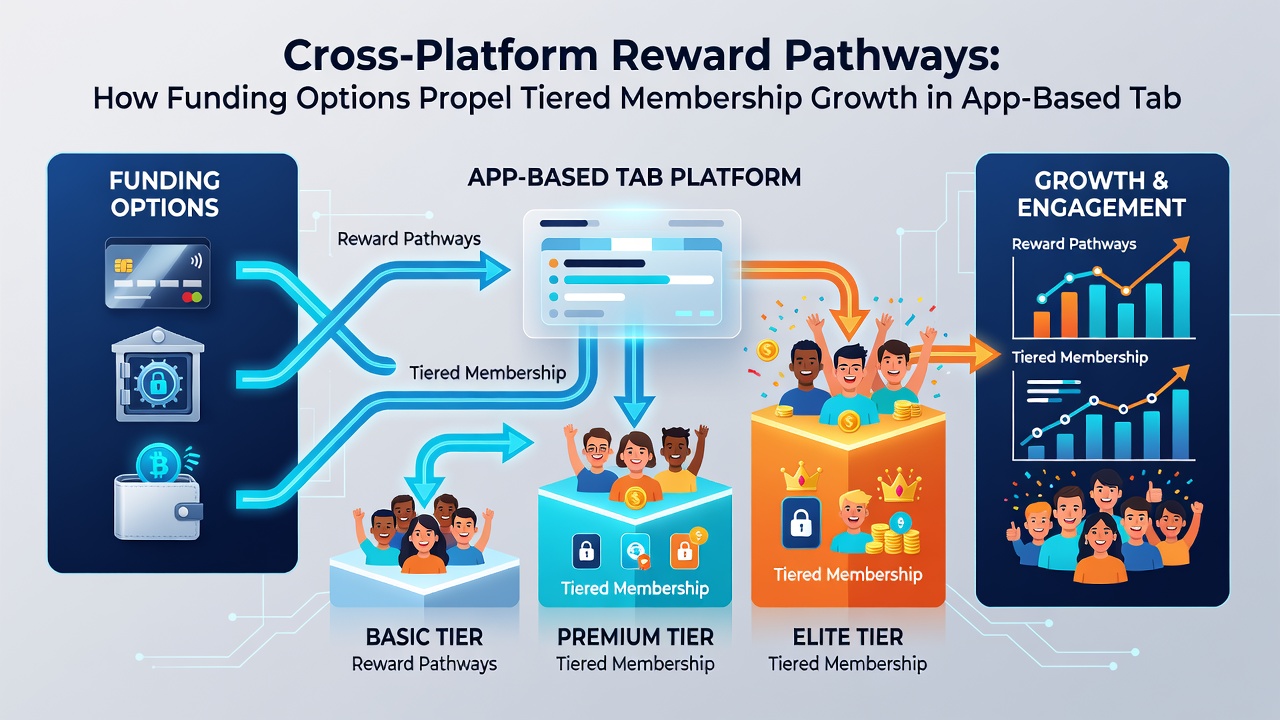
What's interesting is how these systems adapt across regions without relying on any single regulatory model. Platforms that operate in multiple markets adjust reward thresholds to align with local deposit norms, and this flexibility allows tiered membership programs to scale while maintaining consistent user experiences. Researchers discovered that users who engage with cross-platform funding options tend to maintain higher lifetime values because the tier benefits reinforce continued deposits rather than isolated play.
Technical Infrastructure Supporting Reward Pathways
Backend systems that connect payment gateways to loyalty engines enable real-time updates to membership tiers once deposits clear, and this infrastructure supports the hybrid nature of table and wagering apps by tracking activity across diverse game modules. Experts have observed that APIs linking funding sources to reward ledgers reduce processing delays, which in turn keeps users engaged during the transition from deposit to tier unlock. Case studies from operators in Canada and Australia reveal that platforms investing in these connections report fewer abandoned sessions because users receive immediate confirmation of tier progress.
Those who've examined the data note that funding options such as instant bank payments and digital wallets contribute disproportionately to tier advancement compared with slower methods, and operators respond by prioritizing these channels in promotional messaging. The ball remains in the operators' court to maintain compliance while expanding these pathways, and the writing appears on the wall that integrated funding will continue shaping membership growth in hybrid environments.
Conclusion
Cross-platform reward pathways tied to funding options have become central to tiered membership growth in app-based table play and wagering hybrids, and available data from regulatory bodies and industry groups supports the pattern of deposit activity driving progression through membership levels. As platforms refine these systems through 2026 and beyond, the focus remains on measurable connections between funding mechanisms and user advancement rather than isolated game performance. This structure allows operators to sustain engagement across multiple game types while aligning with regional requirements that govern deposit-linked rewards.