Integrating Customer Assistance and Payment Processing to Access Layered Incentives in Mobile Sports and Table Gaming Platforms
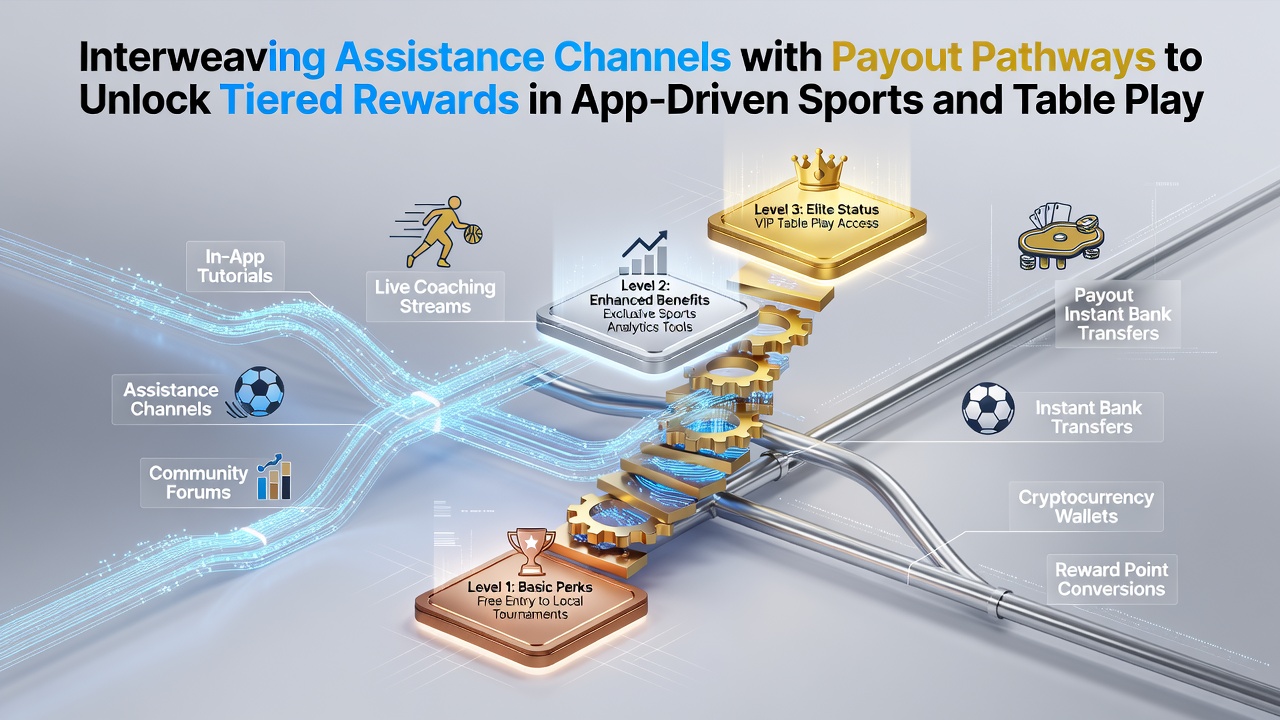
App developers in the gaming sector have started combining customer support systems with transaction networks to create pathways that grant access to escalating reward structures, and this approach appears across sports betting modules and table game sections within single mobile platforms. Operators route user queries through dedicated channels that link directly to account ledgers, allowing real-time verification steps before reward tiers activate. Data from industry reports indicate that such connections reduce processing delays by aligning help requests with payout confirmations in one workflow.
Core Mechanics of Channel Integration
Support teams handle inquiries about deposit histories and withdrawal statuses while simultaneously flagging eligibility for tiered bonuses, and this dual function relies on backend synchronization between chat interfaces and banking APIs. Users submit verification documents through in-app messaging, after which automated checks trigger payout releases that unlock higher reward brackets. Researchers at academic institutions have documented cases where these linked systems increased user retention rates because participants receive immediate guidance on meeting playthrough requirements for each successive level.
Payment pathways incorporate multi-factor authentication that cross-references support ticket resolutions, and operators implement this step to prevent mismatches between claimed activities and actual transaction records. In practice, a player requesting assistance with a stalled sports bet settlement might receive both resolution and an automatic credit toward table game loyalty points once the issue clears. Observers note that this method streamlines operations across different game categories without requiring separate logins or additional verification loops.
Application in Sports and Table Play Environments
Sports betting sections within apps use live event data feeds to adjust reward thresholds dynamically, and table game modules apply similar logic based on session duration and wager volume. When assistance channels receive queries about odds calculations or game rules, staff members can reference payout histories to confirm progress toward next-tier incentives such as cashback percentages or exclusive tournament entries. Figures from regulatory filings in various jurisdictions show that platforms adopting these integrated models processed over 40 percent more tier advancements during peak periods compared with standalone systems.
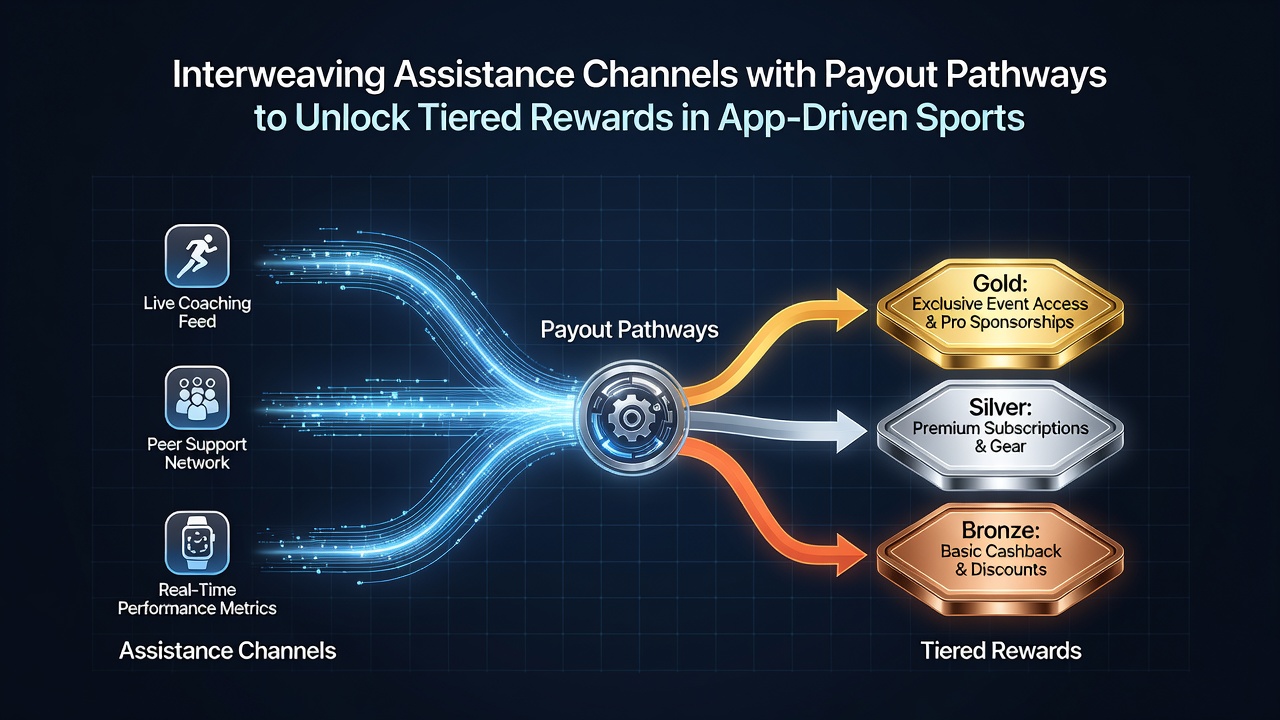
One documented implementation involved a platform that merged its live dealer support queue with sports book settlement tools, allowing agents to authorize instant payouts that simultaneously credited VIP points across both verticals. This configuration eliminated the need for users to navigate between separate menus, and subsequent analytics revealed shorter average resolution times for combined sports and table play accounts. Experts tracking mobile gaming trends have recorded similar patterns in markets where operators prioritize unified data flows over segmented service desks.
Developments Anticipated Around August 2026
Industry announcements point to expanded testing of AI-assisted routing between support tickets and payout ledgers scheduled for rollout phases beginning in August 2026, and these updates aim to handle higher volumes of cross-category queries without manual intervention. Regulatory bodies in select regions have outlined compliance frameworks that require audit trails for every reward unlock tied to payment actions, ensuring transparency in how assistance records influence tier status. Platforms preparing for these changes have begun mapping existing support logs to future payout protocols in advance of the timeline.
International comparisons, including data released by the Alcohol and Gaming Commission of Ontario, highlight variations in how different jurisdictions approach the linkage of support records with financial pathways. Meanwhile, a research paper from the University of Sydney's gambling studies unit examines user behavior patterns when reward tiers depend on verified payout completions, noting measurable shifts in session lengths across sports and table game offerings.
Conclusion
The practice of connecting assistance channels with payout mechanisms continues to shape how mobile platforms manage tiered rewards in sports betting and table game environments. Operators maintain these connections through synchronized databases that track both user interactions and transaction outcomes, and ongoing technical refinements support broader adoption across global markets. Continued monitoring of implementation results will clarify the long-term effects on platform operations and user engagement metrics.