Linking Swift Payments to Personalized Benefits in Mobile Athletic and Entertainment Platforms
Portable sports and gaming applications have developed intricate systems where rapid transaction processing directly supports the delivery of customized user benefits, and observers note that these connections shape engagement patterns across global markets, since payment speed often determines how quickly players access personalized offers such as bonus credits, loyalty multipliers, or exclusive event invitations. Industry data indicates that developers prioritize seamless financial gateways because they enable real-time reward allocation, which in turn maintains user activity during live sports events or progressive game sessions.
Payment infrastructure in these apps typically incorporates multiple methods including digital wallets, bank transfers, and card networks, while customized perks emerge from algorithms that analyze spending habits, play frequency, and preferred game types, and researchers have documented how this integration reduces friction between depositing funds and claiming tailored incentives. For instance, one study from the North American gaming sector revealed that apps using instant verification protocols saw higher retention rates among users who received immediate loyalty points after each transaction, whereas slower systems correlated with lower participation in reward programs.
Mechanics of Rapid Transactions in Portable Environments
Transaction speed relies on secure application programming interfaces that connect banking partners with app servers, and this architecture allows deposits to clear within seconds rather than minutes or hours, while withdrawals follow similar pathways once identity checks complete through biometric or document-based verification. Data from regulatory filings in several jurisdictions shows that average processing times for approved mobile transactions dropped significantly between 2023 and 2025, yet platforms continue refining these flows to accommodate higher volumes during major sporting tournaments.
Security protocols such as encryption standards and fraud detection layers operate continuously without interrupting the user experience, and experts observe that these measures protect both financial movements and the subsequent reward calculations tied to each activity, since any delay could disrupt the synchronization between payment confirmation and perk activation.
How Customized Perks Align With Transaction Data
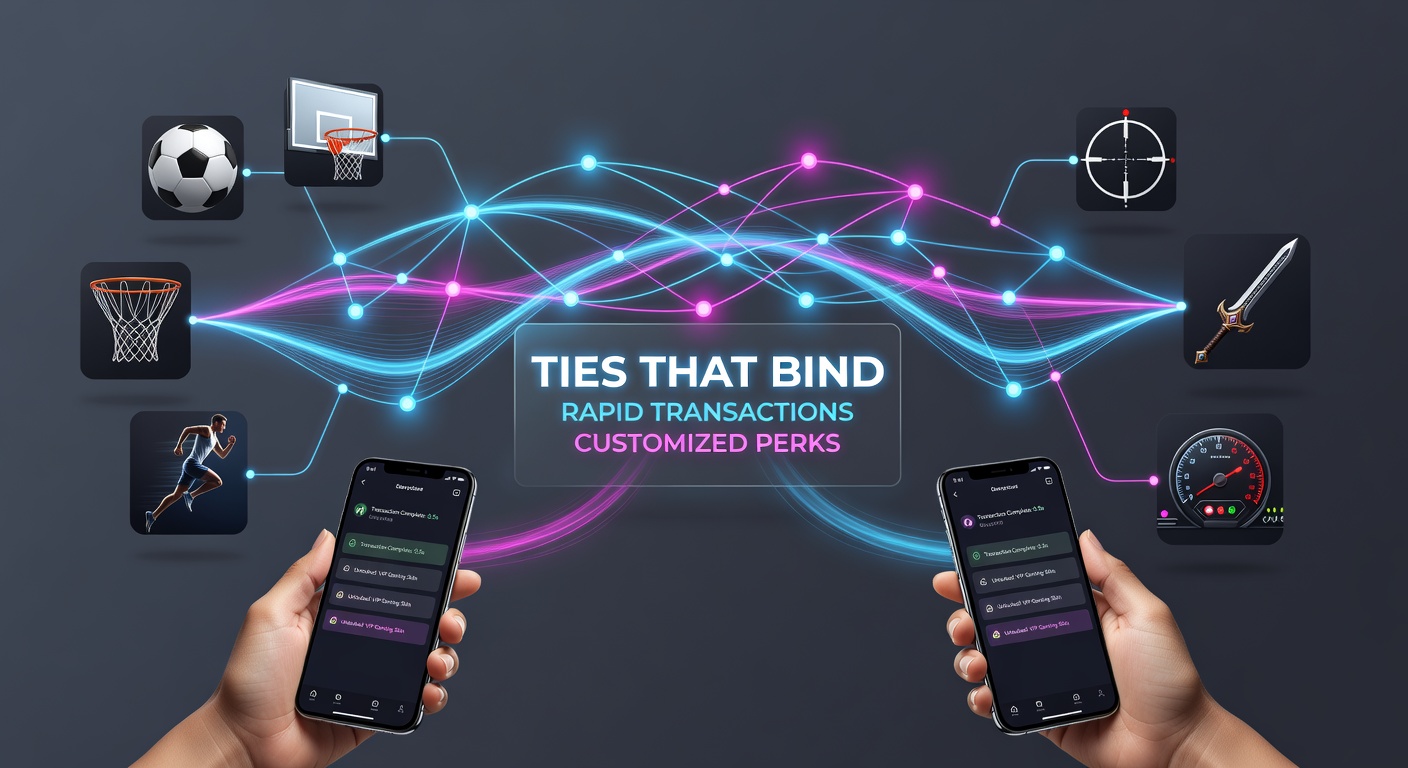
Personalized rewards draw from user profiles built through transaction histories, game selections, and session durations, and this information feeds into dynamic systems that adjust bonus values or unlock tiered advantages automatically once a qualifying deposit processes. Observers note that sports-focused apps often prioritize time-sensitive offers during live matches, whereas general gaming platforms emphasize cumulative rewards that build across multiple titles, and the linkage ensures players encounter relevant incentives at moments when engagement peaks.
One research paper published by an academic group in Australia examined several hundred mobile gaming sessions and found that reward relevance increased when transaction speed allowed perks to appear within the same interface view as the completed payment, and this proximity encouraged further deposits in subsequent interactions without requiring users to navigate separate menus.
Regional Developments and Industry Patterns
Markets in North America and parts of Europe demonstrate parallel trends where regulatory updates scheduled for early 2026 emphasize consumer protection alongside transaction efficiency, and reports from the American Gaming Association highlight how compliant platforms maintain competitive edges by linking verified payments to transparent reward structures. Similar patterns appear in Canadian provincial frameworks, where operators must document how transaction logs support perk distribution to meet oversight requirements.
As developments unfold through May 2026, several platforms plan expanded integration tests that connect cross-border payment rails with localized reward catalogs, and this approach aims to serve international users who switch between sports betting and casual gaming within single applications, while maintaining compliance across differing legal environments.
Practical Examples From Leading Applications
Take one sports betting platform that introduced instant deposit bonuses scaled according to user history, and data collected after launch showed increased average session lengths among participants who received tailored free bets immediately following each transfer. Another gaming application combined rapid withdrawal options with loyalty ramp systems, allowing users to convert recent cashout activity into personalized tournament entries, and industry analysts recorded measurable upticks in repeat deposits during promotional windows.
These cases illustrate how transaction velocity serves as the trigger point for perk customization, since algorithms require confirmed financial activity before releasing offers that match individual preferences or risk profiles, and the process operates without manual intervention once initial settings are established.
Conclusion
The connections between rapid transactions and customized perks continue to define functionality in portable sports and gaming applications, with evidence from multiple regions demonstrating that efficient payment systems enable timely, relevant reward delivery that sustains user participation over extended periods. Industry reports and academic analyses consistently point to these integrated mechanisms as central to operational strategies, and ongoing refinements scheduled through 2026 suggest further tightening of these ties across diverse markets and regulatory landscapes.