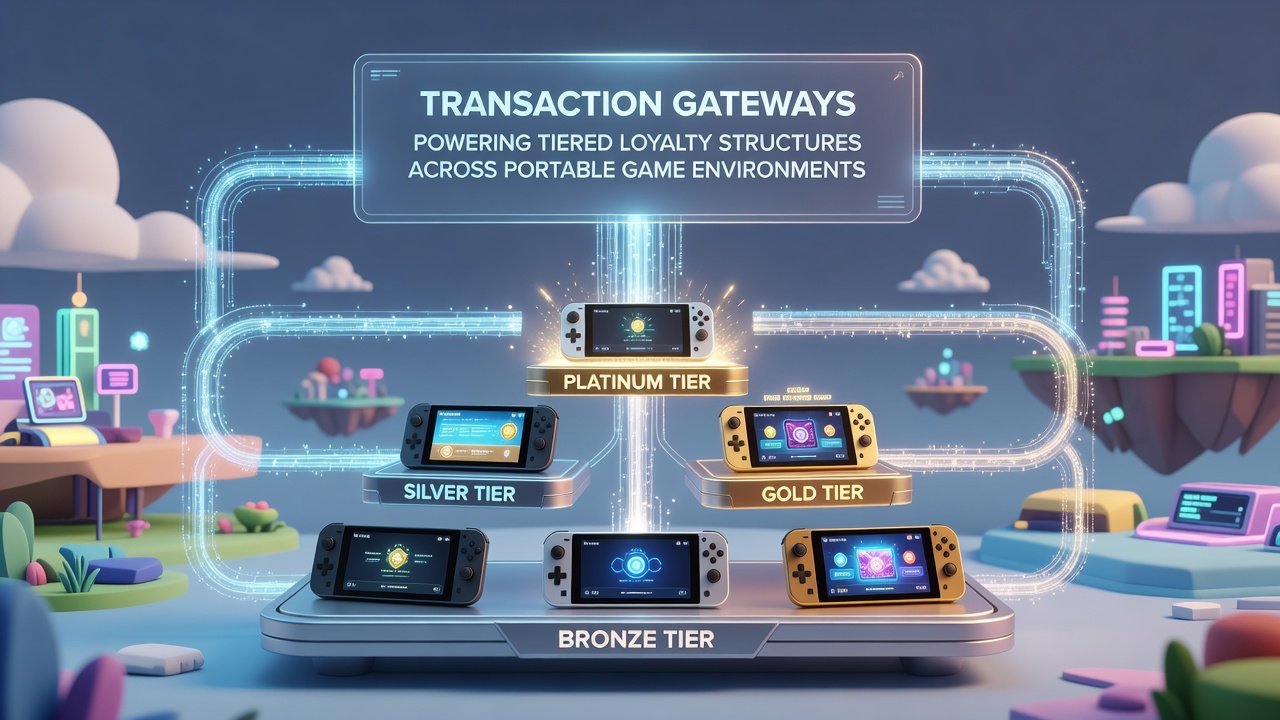
Payment Gateways Fueling Hierarchical Rewards in Mobile Gaming Ecosystems
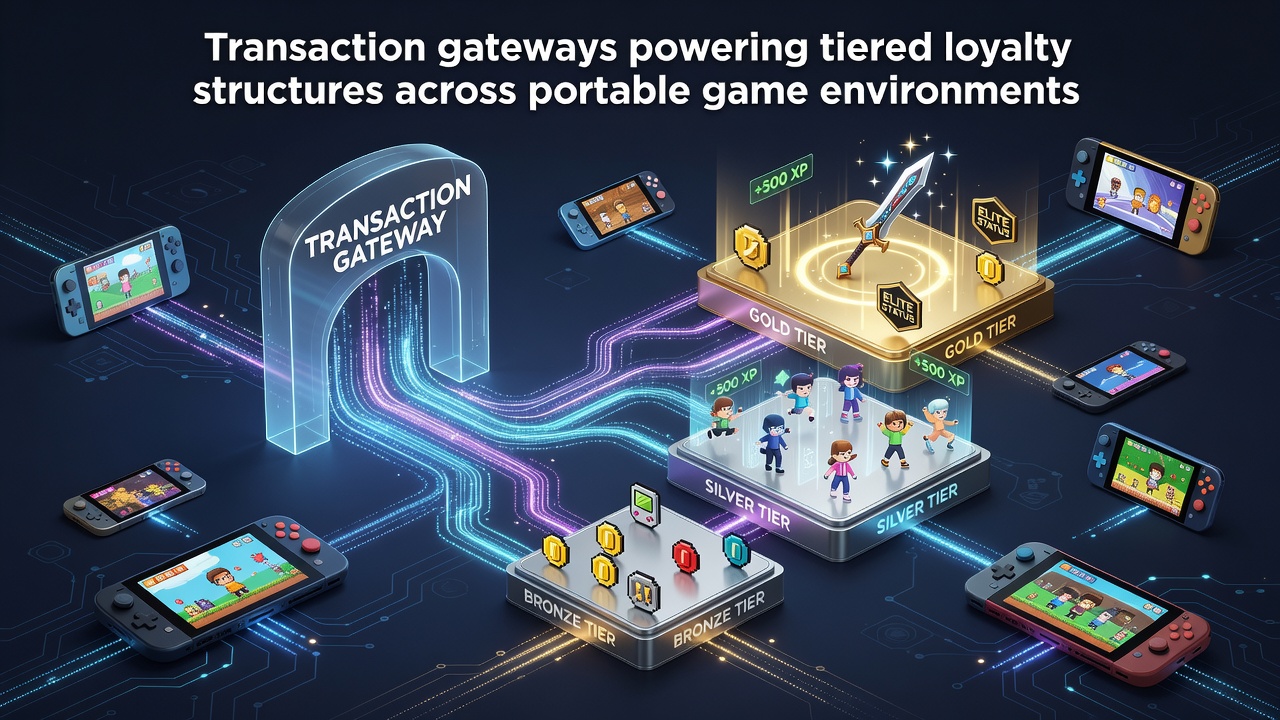 Payment gateways serve as the technical backbone that connects financial transactions to loyalty frameworks in portable gaming environments. These systems process deposits, withdrawals, and in-game purchases while simultaneously tracking user activity to assign points, unlock tiers, and distribute rewards. Data from industry reports shows that seamless gateway integration allows operators to maintain real-time synchronization between spending patterns and loyalty progression across smartphones and tablets. Tiered loyalty structures typically divide players into levels such as bronze, silver, gold, and platinum. Each tier unlocks specific benefits including bonus multipliers, exclusive game access, and accelerated cashout options. Transaction gateways enable this hierarchy by embedding APIs that monitor transaction volume, frequency, and type, then feed that information directly into loyalty algorithms. Researchers at academic institutions have documented how these automated linkages reduce manual oversight while increasing accuracy in reward allocation. Portable game environments introduce unique challenges because users switch devices frequently and expect uninterrupted access. Gateways address this through tokenization and cross-platform authentication protocols that preserve loyalty status regardless of whether play occurs on iOS, Android, or hybrid applications. Figures from the American Gaming Association indicate that mobile transactions now account for over sixty percent of total gaming revenue in regulated markets, underscoring the necessity of robust gateway infrastructure.
Technical Architecture Behind Loyalty Integration
Modern gateways employ layered security measures including encryption, fraud detection modules, and regulatory compliance checks. These components operate in tandem with loyalty engines so that every qualifying transaction increments point balances and triggers tier advancement notifications. Observers note that operators who deploy unified gateway solutions experience fewer discrepancies between reported activity and actual reward distribution. Multi-currency support within gateways further expands reach across portable environments. Players in different regions can transact in local denominations while the system converts values and applies consistent loyalty multipliers. This capability proves especially relevant as markets in Asia-Pacific and North America continue expanding mobile offerings through 2026.Case Examples of Gateway-Driven Loyalty Systems
One major operator implemented a gateway that links deposit streaks directly to tier progression. Players completing five qualifying transactions within a thirty-day window advance automatically, with points calculated on a sliding scale based on transaction size. Similar configurations appear in European and Canadian platforms where local regulators require transparent tracking of all financial movements tied to player rewards. Another implementation uses gateway data to personalize tier benefits. High-volume users receive invitations to private tournaments while lower tiers gain access to standard bonus pools. These distinctions rely on continuous data streams from the payment layer rather than periodic batch processing.