Payment Pathways Power Loyalty Growth in Mobile Gaming Ecosystems
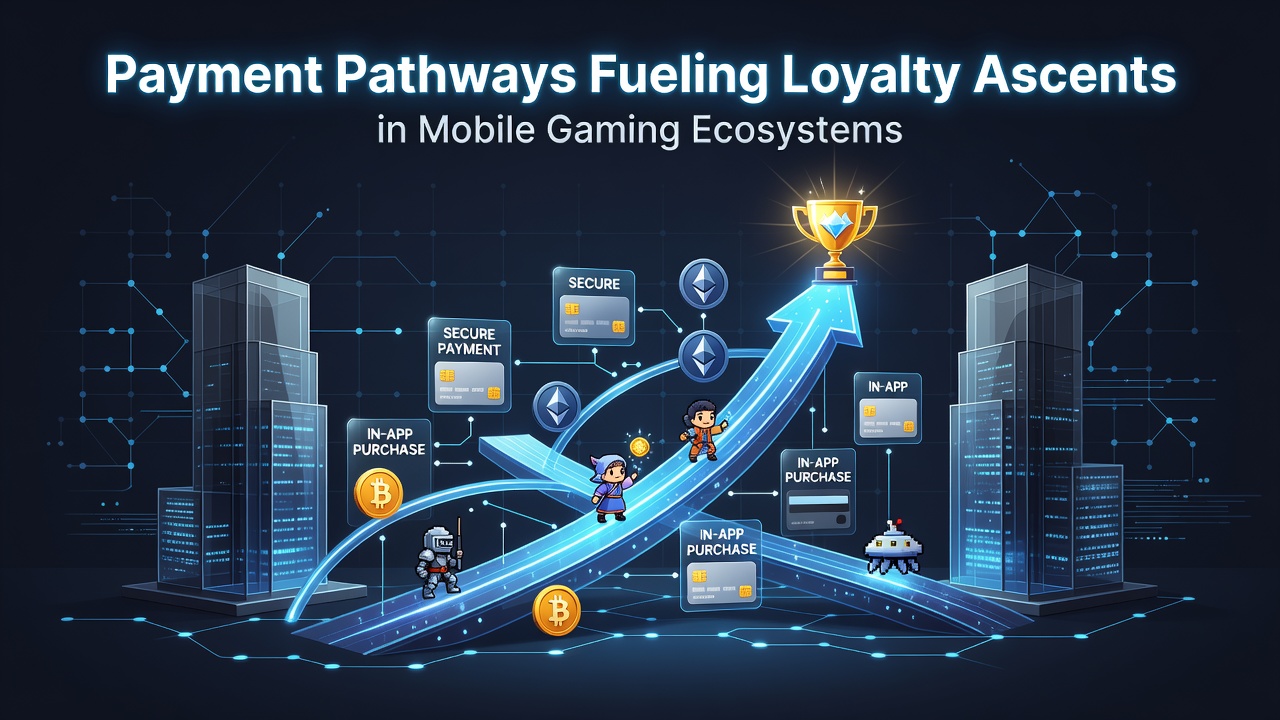 Payment systems have become central to how mobile gaming platforms build and sustain player engagement over time. Operators integrate deposit options, withdrawal speeds, and reward mechanisms directly into apps so users encounter fewer barriers when moving between games, bonuses, and account management features. Research from industry tracking services shows that platforms offering multiple instant payment methods retain users at higher rates than those relying on traditional banking alone. Data indicates that mobile gaming ecosystems now handle billions in transaction volume each year, with payment gateways serving as the connective tissue between gameplay and loyalty structures. Players who complete deposits through preferred methods such as digital wallets or card processors often receive immediate credit toward tiered reward programs. Those same pathways allow operators to track spending patterns and deliver personalized offers that encourage continued activity. Observers note that frictionless transactions create natural entry points for loyalty mechanics. A user who deposits funds quickly can access time-limited bonuses that convert into loyalty points, which then unlock higher VIP levels offering cashback percentages or exclusive game access. This cycle repeats across sessions, turning routine payments into recurring loyalty triggers. Payment speed influences how players perceive value in reward systems. Platforms that process withdrawals within minutes rather than days see users reinvest portions of those funds back into gameplay, sustaining momentum toward next-tier rewards. June 2026 marks a period when several major operators plan expanded integration of real-time settlement tools, aligning payment timelines more closely with in-app loyalty calendars.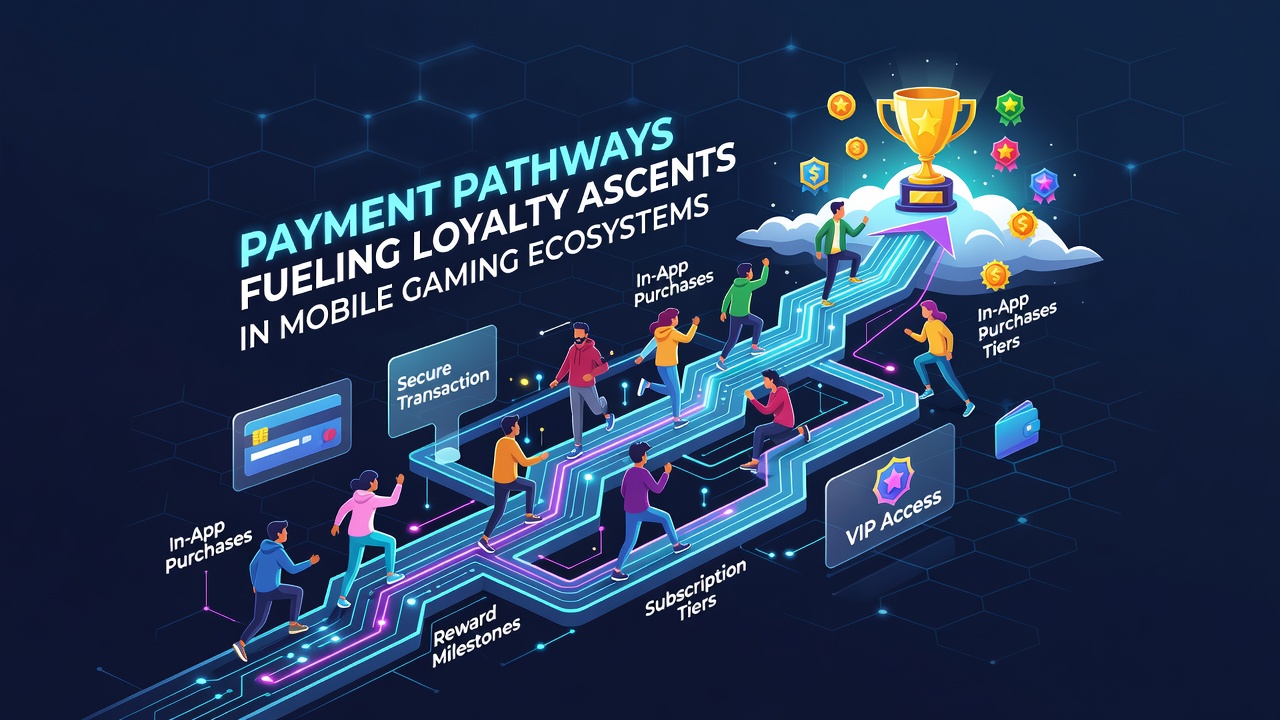
Payment systems have become central to how mobile gaming platforms build and sustain player engagement over time. Operators integrate deposit options, withdrawal speeds, and reward mechanisms directly into apps so users encounter fewer barriers when moving between games, bonuses, and account management features. Research from industry tracking services shows that platforms offering multiple instant payment methods retain users at higher rates than those relying on traditional banking alone. Data indicates that mobile gaming ecosystems now handle billions in transaction volume each year, with payment gateways serving as the connective tissue between gameplay and loyalty structures. Players who complete deposits through preferred methods such as digital wallets or card processors often receive immediate credit toward tiered reward programs. Those same pathways allow operators to track spending patterns and deliver personalized offers that encourage continued activity. Observers note that frictionless transactions create natural entry points for loyalty mechanics. A user who deposits funds quickly can access time-limited bonuses that convert into loyalty points, which then unlock higher VIP levels offering cashback percentages or exclusive game access. This cycle repeats across sessions, turning routine payments into recurring loyalty triggers. Payment speed influences how players perceive value in reward systems. Platforms that process withdrawals within minutes rather than days see users reinvest portions of those funds back into gameplay, sustaining momentum toward next-tier rewards. June 2026 marks a period when several major operators plan expanded integration of real-time settlement tools, aligning payment timelines more closely with in-app loyalty calendars.Transaction Types Driving Reward Accumulation
Multiple payment categories operate within mobile environments, each feeding loyalty programs in distinct ways. Digital wallet transfers, prepaid card loads, and bank-linked instant options all feed into unified point systems that reward volume and frequency. Studies from regional gaming authorities reveal that users engaging with at least three different payment types per month accumulate loyalty points 40 percent faster than single-method players. Operators design these pathways so deposits automatically trigger bonus matches that double as loyalty multipliers. A player topping up via a specific wallet might receive points scaled to the deposit amount, which accumulate toward milestone rewards like free spins or tournament entries. Cashout pathways matter equally, since rapid returns of winnings let users maintain bankrolls and continue progressing through loyalty ladders without interruption. Case examples from North American markets illustrate the pattern. One major platform reported that introducing same-day payout options for verified accounts increased VIP tier upgrades by 28 percent within six months, according to internal metrics shared with the Canadian Gaming Association. Similar patterns appear in other jurisdictions where regulators permit diverse payment rails.Integration With VIP Structures and Bonus Systems
Loyalty ascents depend on seamless connections between payments and tiered benefits. Platforms map deposit histories directly to VIP qualification criteria, so consistent use of approved pathways accelerates movement from base levels to premium status. Premium tiers then grant access to faster processing lanes, higher withdrawal limits, and tailored promotions funded through the same payment infrastructure. Bonus structures often hinge on payment method selection. Certain gateways qualify for enhanced reward multipliers while others trigger cashback on losses. Players learn these distinctions through in-app prompts that appear immediately after each transaction, guiding behavior toward methods that maximize loyalty returns. Data from academic analyses of mobile gaming behavior shows that users who receive real-time loyalty feedback after payments exhibit stronger retention over twelve-month periods. The feedback loop reinforces the connection between transaction activity and long-term status gains.