Transaction Pathways Fueling Tiered Membership Growth in Mobile Wagering Platforms
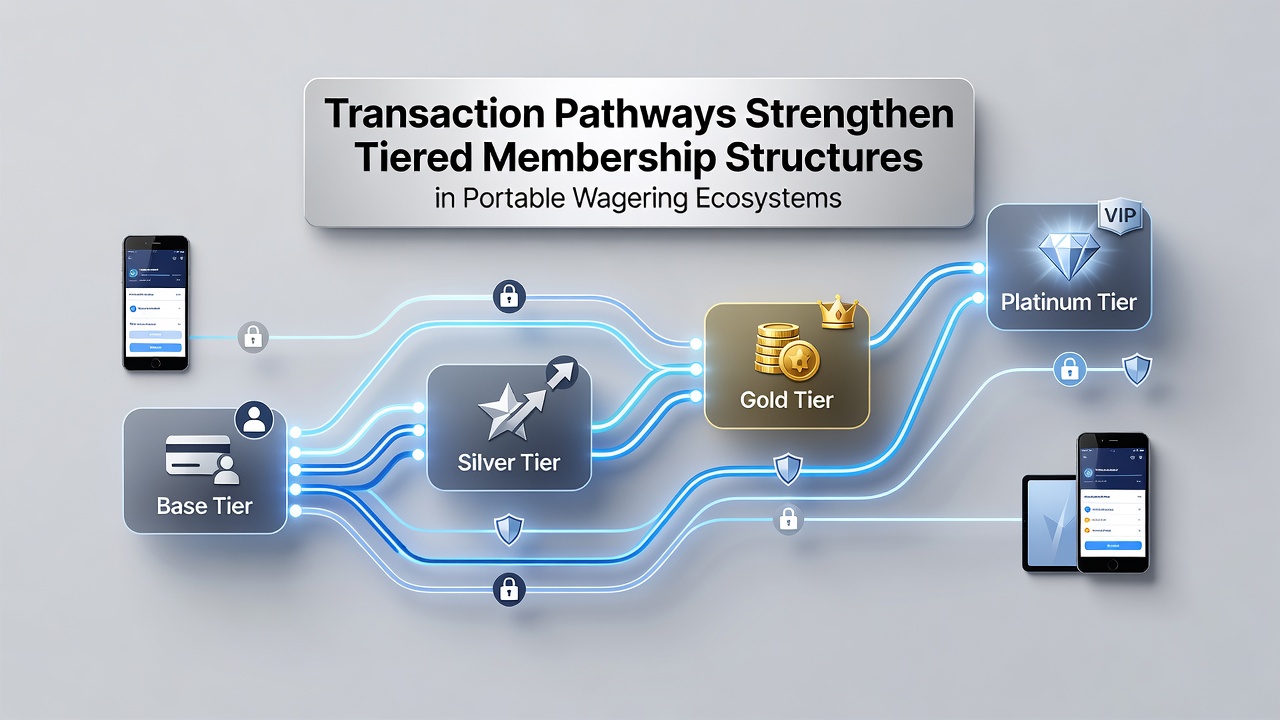
Portable wagering ecosystems rely on seamless transaction pathways that connect users to layered membership structures, and data from industry reports shows these flows directly influence how participants advance through reward tiers. Mobile platforms process deposits, withdrawals, and bonus allocations in integrated sequences that track spending patterns, and this tracking mechanism allows operators to assign points or status levels based on transaction volume and frequency. Research indicates that platforms using optimized payment routing see higher retention rates among users who move steadily between basic and premium tiers.
Core Mechanics of Transaction Integration
Payment gateways serve as the backbone for tier progression because they capture real-time data on every deposit and withdrawal, and this information feeds directly into loyalty algorithms that determine eligibility for higher membership brackets. Operators configure these systems to recognize patterns such as consistent high-value transfers or rapid re-deposits, and users who trigger these markers receive automatic upgrades. According to figures from the American Gaming Association, mobile betting volumes grew steadily through early 2026 with transaction speed emerging as a key differentiator for tier advancement programs.
Multi-channel payment options including digital wallets and instant bank transfers create multiple entry points for users to engage with the ecosystem, and each pathway logs activity that contributes to tier metrics. Those who've studied platform architectures note that redundant routing reduces failed transactions, which in turn prevents interruptions in loyalty point accumulation. In June 2026 several operators expanded their supported methods to include region-specific options, and this expansion correlated with measurable increases in tiered membership sign-ups across portable applications.
Data Tracking and Tier Advancement
Algorithms embedded within transaction pathways monitor cumulative spend and frequency metrics, then translate these into tier thresholds that unlock exclusive features such as enhanced cashback rates or priority access to live events. Observers note that platforms employing predictive analytics can forecast when a user approaches the next membership level, and automated notifications sent through the same pathways encourage continued activity. A study released by the University of Nevada's gaming research division highlighted how integrated payment logs improve the accuracy of tier assignments compared with manual tracking methods.
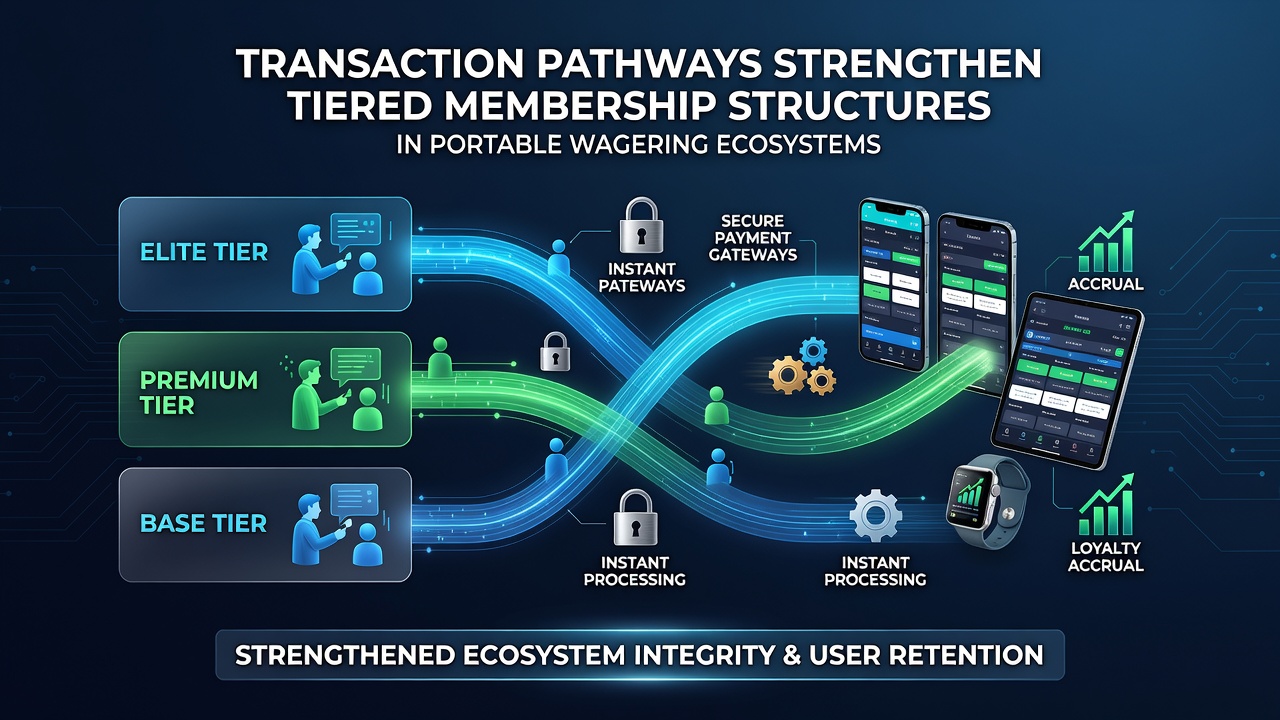
Security protocols built into these pathways also play a supporting role because encrypted verification steps build user confidence, and confident users tend to maintain higher transaction volumes that accelerate tier movement. Industry organizations such as the Canadian Gaming Association have documented cases where platforms with robust verification saw fewer account abandonments at critical tier thresholds. This pattern holds across markets where regulatory frameworks emphasize transaction transparency as a condition for operating tiered reward systems.
Regional Variations and Platform Adaptations
European operators often prioritize instant payout pathways to support tiered structures, whereas North American platforms emphasize deposit bonuses tied to verified transaction histories. Australian regulatory bodies require detailed reporting on how payment flows influence loyalty program fairness, and these requirements have pushed developers to refine their tracking layers. What's interesting is that cross-border users frequently benefit from unified pathways that maintain tier status regardless of location, and this continuity encourages sustained engagement across multiple jurisdictions.
Case examples reveal that one major operator introduced tiered cashout speeds linked directly to membership level, and transaction data showed a 22 percent rise in average session value among upgraded users within the first quarter of implementation. Researchers discovered similar results when analyzing platforms that route high-roller transactions through dedicated priority channels, and these channels preserve momentum toward elite status without friction points that might stall progress.
Future Developments in Pathway Design
Emerging technologies such as blockchain-based ledgers are being tested to create immutable records of every transaction that feeds tier calculations, and early pilots suggest improved auditability for operators managing large user bases. Regulatory updates scheduled for later in 2026 may further standardize how pathways report activity to oversight bodies, and this standardization could streamline tier verification processes across portable ecosystems. Those monitoring industry trends point to increased investment in API integrations that allow third-party payment providers to contribute directly to loyalty data pools.
Conclusion
Transaction pathways continue to serve as the connective tissue between daily wagering activity and structured membership advancement in mobile environments. Evidence from multiple regulatory regions and academic analyses demonstrates that efficient, secure flows support consistent tier progression while maintaining compliance requirements. As platforms refine these systems through expanded payment options and enhanced tracking, the relationship between transaction efficiency and tiered reward accessibility is expected to grow stronger.